
In a move that signals how artificial intelligence is beginning to reshape the economics of professional services, KPMG successfully negotiated a lower audit fee from its own auditor by arguing that AI tools should make the work faster and less expensive.
People familiar with the talks told the Financial Times that KPMG International pressed its auditor, Grant Thornton UK, to pass along savings from its AI rollout. When Grant Thornton pushed back, KPMG reportedly signaled it could look elsewhere.
The discussions, which wrapped up last year, focused on the audit of KPMG International, the entity that oversees the firm’s global network. KPMG maintained that its consolidated accounts were relatively simple and that Grant Thornton’s familiarity with the business, along with increased automation, should translate into a more efficient audit.
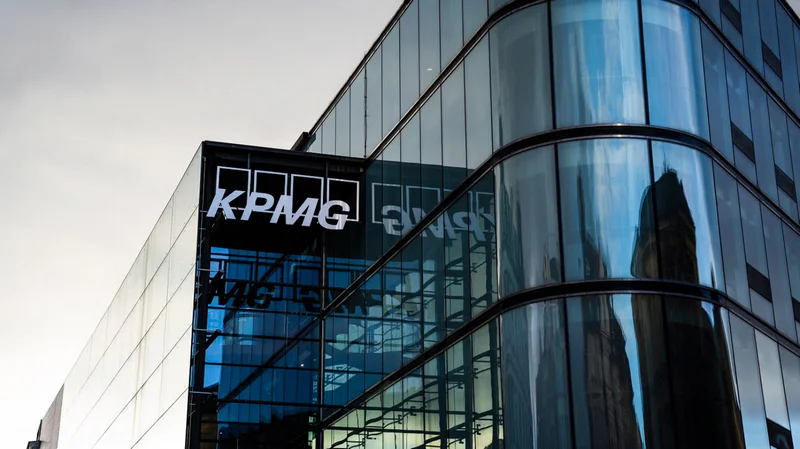
Grant Thornton’s fee for auditing KPMG International’s 2025 accounts fell to $357,000, about 14% lower than the $416,000 charged a year earlier. Both firms declined to comment on commercial terms, but the reduction shows that AI is beginning to affect audit pricing as well as audit processes.
Audit fees have long been about hours, experience, and compliance headaches. Now firms are betting big on machine learning and generative AI to deal with the repetitive stuff, from matching transactions to flagging oddities and handling paperwork. KPMG has said its own AI tools help auditors think through risks and set up their testing.
KPMG International has said that efficiency gains from AI don’t necessarily reduce overall costs, as developing and operating the technology adds significant expense. This balance between savings and investment is becoming common across the industry.
Gary Jones, Grant Thornton’s UK audit leader, said in a December blog post that automation is making audit work “faster” and “smarter.” In a statement to the Financial Times, however, the firm said its fees still reflect both staff costs and the technology that supports them, stressing that expert human judgment remains an essential, and expensive, part of audit quality.
Data from Ideagen Audit Analytics shows average audit fees across Europe continued to rise last year, as firms pointed to heavy spending on AI platforms. Only one country in the survey recorded lower fees, underlining the mixed financial impact of the AI transition.
Firms face significant costs to build bespoke systems, train models, and weave AI into tightly regulated workflows. As a result, automation can speed up the work without necessarily lowering overall expenses.
KPMG’s successful push for a lower fee sharpens a question more clients are starting to ask: if AI is making audits more efficient, when do those savings show up for customers? The episode stands as an early test case in what is likely to become a wider debate over the value and pricing of AI-enabled professional services.
Maybe you would like other interesting articles?