
More employees in non-technical roles are using AI to create simple applications themselves, bypassing traditional development channels and presenting working examples directly to leadership.
People are calling this new shift “vibe coding,” and it’s catching on fast. Even Google’s CEO, Sundar Pichai, mentioned on the Google for Developers podcast with Logan Kilpatrick that AI is making coding feel more fun and accessible, because you can just try things without worrying about all the picky syntax and rules upfront.
Pichai noted that rather than writing a specification and waiting for engineers to interpret it, employees can now walk into meetings with a working prototype. He described the shift as a form of “vibe coding,” where users experiment their way to a functioning demo that teams can react to, instead of reviewing a static planning document.
This change is especially noticeable among non-engineering teams. Many office workers are using tools like ChatGPT, Gemini, Claude, and Replit to build simple applications by describing workflows, data handling, and interface needs in natural language, which then generates code for them.
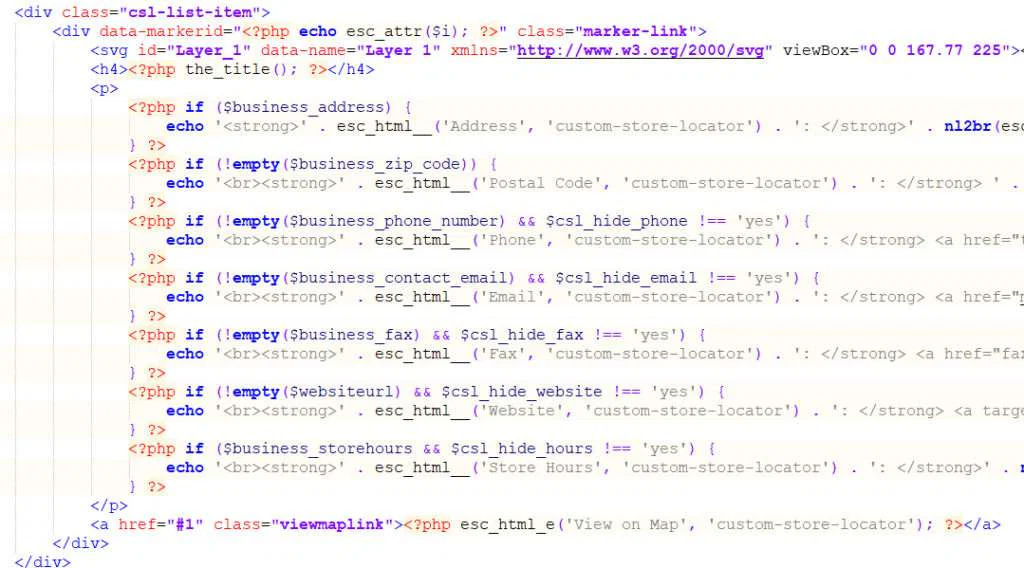
Within Google, the trend is visible in its internal code repositories. According to Pichai, there has been a significant increase in first-time code changes, as AI enables non-engineers to make small but meaningful contributions.
And it’s not just happening at Google. The podcast mentioned that Meta’s product managers are using AI to spin up prototype apps and show them straight to Mark Zuckerberg, which means ideas get tested and refined way faster than before.
For all the optimism surrounding this new wave of casual coding, Pichai added a note of caution. Vibe coding, he said, is a space for experimentation, not the place where critical infrastructure gets built.
Pichai made it clear that this new approach isn’t being used on complex or sensitive codebases “where you really have to get it right.” For the systems that support large-scale or security-critical operations, he said, trained engineering teams will ultimately decide how and where AI-generated code can be used.
For now, there’s a shared understanding. Even Pichai sees vibe coding as something meant for small internal tools and fast prototypes, useful for exploring ideas, not running the backbone of a company.
Its rapid growth suggests a broader, lasting shift in software development. Creating tools is no longer limited to those who can write code, but is becoming accessible to anyone able to clearly define an idea, changing how innovation unfolds in major tech-driven organizations.
Maybe you would like other interesting articles?