
Going against what most generative AI companies are doing, Perplexity has decided to ditch ads for good, betting that earning users’ trust matters more than bringing in ad revenue.
Valued at $18 billion, the company has quietly pulled sponsored posts from its platform, wrapping up a test that began in 2024. While other AI firms lean harder into ads, Perplexity said in an interview with the Financial Times that it’s done with advertising, arguing that accuracy and objectivity come first.
The decision is rooted in the view that ads, even when labeled, may weaken trust in an AI assistant. Executives argue that users need complete confidence that the information they receive is impartial.
“We are in the accuracy business,” one executive told the Financial Times. The company’s mission, they added, is “giving the truth, the right answers.” The core challenge with advertising, the executive explained, is that its mere presence could create doubt: “a user would just start doubting everything.”
That approach puts Perplexity on a different path from much of the industry. OpenAI is experimenting with ads in the free version of ChatGPT, adding sponsored links under replies but saying they don’t shape the output. Google, for its part, has already woven ads into some of its AI-generated search overviews.
Anthropic, the developer of the Claude chatbot, remains aligned with Perplexity’s philosophy, having publicly declared it will keep its platform ad-free.
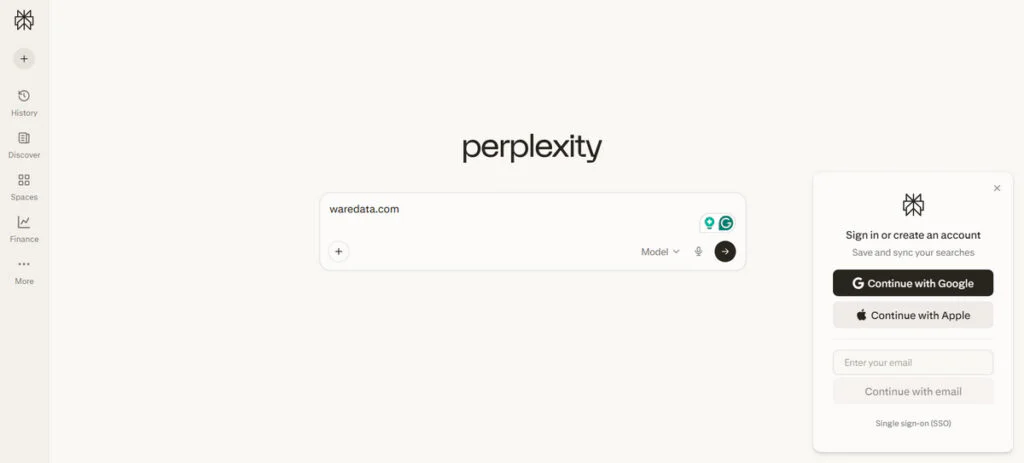
Perplexity is prioritizing subscription revenue over advertising. The company reports more than 100 million users and around $200 million in annualized revenue, driven mainly by paid tiers ranging from $20 to $200 per month, along with a free option to attract new users.
The company has experimented with product comparison tools, yet it has chosen not to monetize them. In contrast to Google and OpenAI, Perplexity does not earn commissions from transactions.
For the moment, Perplexity remains one of the few prominent AI companies pushing back against the push to monetize user attention. Although executives have not entirely closed the door on advertising down the line, they say it does not align with the level of trust AI-powered search demands.
Maybe you would like other interesting articles?