
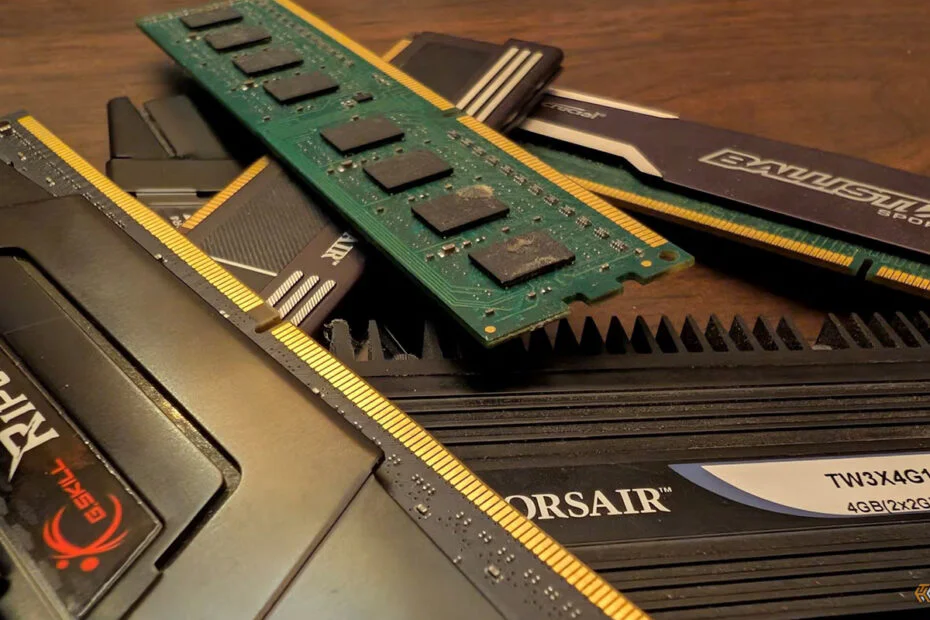
As memory prices surge and hardware makers pass costs on to consumers, Acer CEO Jason Chen has offered the most optimistic timeline yet for when the crisis might begin to subside. Chen recently told DigiTimes that PC price hikes tied to RAM shortages could start to reverse by late 2027, suggesting the worst of the squeeze may pass by the end of next year.
His view contrasts with warnings from CEOs of major memory manufacturers, who have said shortages and elevated prices could last well into the next decade. Chen accused those companies of overshooting their estimates in order to influence profit margins, according to the report.
Since last year, explosive demand from AI data center construction has swallowed up memory supply and quintupled DRAM prices. That has pushed hardware makers to raise prices across devices that rely on large amounts of RAM, including PCs, smartphones, graphics cards and game consoles. The fallout has also spilled over into demand for CPUs and motherboards. One recent study found that today’s memory market, on a per-unit basis, looks much like it did nearly two decades ago.
Forecasts among memory executives have varied widely. Earlier this year, Micron CEO Sanjay Mehrotra predicted the situation would continue beyond 2027. Not long after, SK Hynix CEO Kwak Noh-Jung said shortages would peak in 2027, with supply remaining tight through 2030. Adata chairman Chen Li-bai went further still, forecasting elevated prices for another decade-despite expansion plans from every major memory manufacturer.
Chen sees the outlook differently. He argues the predictions are less about supply realities and more about prolonging the large profit margins the AI boom has handed memory makers. He claims supply of most RAM and SSD types has already caught up with demand, and that today’s shortages are limited to high-end parts-such as the fastest DDR5 modules and CPUs like Nvidia’s N1X.
Even with that more optimistic assessment, Chen still expects PC prices to rise 5% to 20% later this year. He expects prices to peak in the first half of 2027 before finally starting to ease. New, cheaper supply from Chinese manufacturers like CXMT is a big part of that calculation. Recent reports suggest Apple is weighing CXMT as a supplier to ease its own cost pressure, even though the company remains on the Pentagon’s blacklist.
Maybe you would like other interesting articles?