
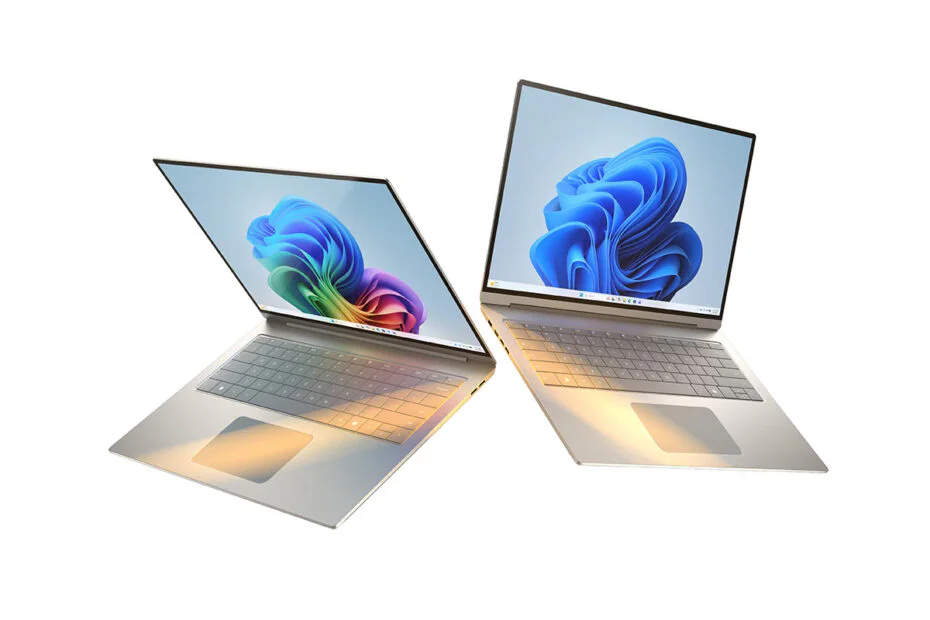
Two years after Microsoft and Qualcomm launched “Copilot+” as their answer to the AI PC era, the term is absent from publicity for Microsoft’s latest Surface devices. At the Snapdragon 2026 Summit, spokespeople for both companies confirmed to Windows Central that they are no longer describing new Microsoft Surface products or other devices as Copilot+ PCs.
The change does not mean Microsoft is abandoning AI. The company remains committed to promoting its Copilot AI assistant. But the comments amount to a tacit admission that customers have not responded to the idea of rebranding PCs as AI devices.
Microsoft is retiring the “Copilot+ PC” label, but don’t expect a scaled-back AI push. In an interview with Windows Central, Surface division CVP Brett Ostrum confirmed the company remains committed to its AI strategy, with upcoming devices retaining full feature parity-minus the branding. Qualcomm’s SVP of compute, Kedar Kondap, corroborated this, emphasizing that the change is purely nominal, not functional.
The Copilot+ branding first appeared in 2024, when Microsoft and Qualcomm rolled out the initial lineup of Arm-based Windows PCs. It was Microsoft’s answer to what Intel had been calling the “AI PC”-machines built with at least 16GB of RAM and an NPU delivering 40 TOPS or more of AI processing power. The label caught on quickly, with other manufacturers following suit, and AMD going as far as adding “AI” to the names of its mobile processors.
However, the data soon revealed that customers were buying AI PCs mainly because they needed new computers, not because they specifically wanted the AI features-the NPUs just came included. As a result, manufacturers have gradually pulled back from AI-focused branding.
Dell offered one of the clearest signs of this shift in January, bringing back the XPS name just a year after discontinuing it-effectively conceding that AI branding wasn’t enough to move units on its own. Microsoft’s own recent Surface laptop lineup tells a similar story: some models now ship with just 8GB of RAM, falling short of the specs that originally defined an AI PC.
In an ironic twist, AI itself is partly responsible for the memory shortages driving that decision. Microsoft is set to unveil new high-end Surface laptops early next month, built in partnership with Nvidia-a company that has typically favored running AI workloads on its own RTX GPUs rather than relying on NPUs.
Maybe you would like other interesting articles?