
On a quiet, open stretch in southeastern Minnesota, Google is constructing what could become one of its most advanced data centers to date. Located in Pine Island, the site is designed to operate almost entirely on renewable energy, combining nearly two gigawatts of clean power with a novel long-duration battery system that relies on iron oxidation, essentially, rust, to store electricity.
As its first Minnesota deployment, the data center will source 1.9 gigawatts of carbon-free capacity from wind and solar assets co-developed with Xcel Energy. Achieving 24/7 renewable uptime is still a technical barrier for hyperscale infrastructure. Google’s approach incorporates Form Energy’s iron-air battery platform, engineered to deliver up to 30 gigawatt-hours of storage with a discharge window of up to 100 hours.
Form Energy’s battery technology takes a different path from conventional lithium-ion systems used in consumer electronics and grid storage. Instead of relying on lithium ions moving through an electrolyte, it stores energy through a reversible reaction that involves iron oxidizing, or rusting.
As electricity is required, oxygen interacts with small iron pellets, producing iron oxide and releasing electrons, which allows the battery to discharge. When it is recharged, the reaction is reversed, removing the oxygen and converting the rusted material back into metallic iron.
Compared with lithium-ion batteries, iron-air systems have lower round-trip efficiency, generally between 50% and 70%, versus more than 90% for lithium-ion. However, they offer significant benefits in cost and storage duration. At an estimated $20 per kilowatt-hour, roughly one-third the cost of similar lithium systems, iron-air technology is well positioned for renewable-based grids that require multi-day energy support.
Minnesota functions as a live pilot market for the platform. Form Energy’s partnership with Great River Energy will deliver a 150 MWh system capable of dispatching 1.5 MW over a 100-hour window. Google’s Pine Island buildout scales the architecture by several orders of magnitude, moving from pilot capacity to hyperscale deployment.
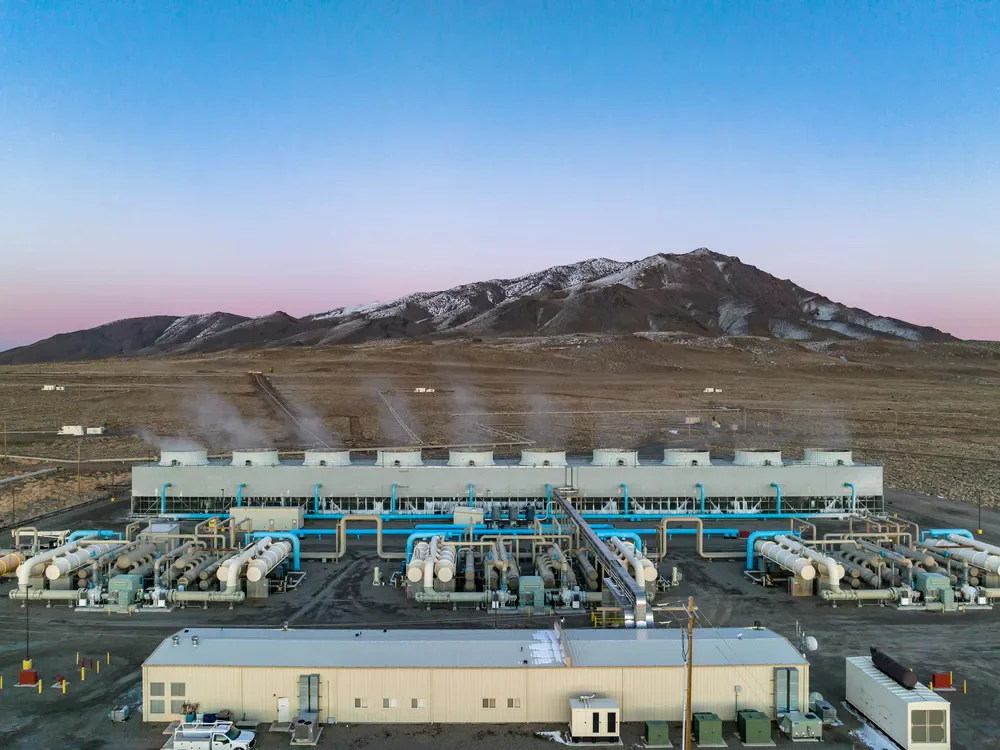
In addition to the technology, Google’s plan includes a new utility rate design intended to encourage faster clean energy development. The structure, known as the Clean Energy Accelerator Charge (CEAC), builds on the company’s earlier Clean Transition Tariff model implemented in Nevada with NV Energy.
As part of CEAC, Google will invest $50 million in Xcel Energy’s Capacity Connect initiative, which supports distributed battery storage to improve grid reliability and manage intermittent generation. The model is structured so utilities can advance clean energy development while staying within regulatory rate limits and avoiding added costs for residential customers.
Maybe you would like other interesting articles?