

Valve has quietly been funding a project that could change the direction of PC gaming. In an interview with The Verge, the company confirmed it has spent nearly ten years financially backing Fex, a translation and emulation layer built to make Windows games developed for x86 processors run natively on Arm-based hardware, now common in smartphones, tablets, and an increasing number of laptops.
The initial use of the technology will be in Valve’s upcoming VR headset, the Steam Frame. Built on Qualcomm’s Snapdragon 8 Gen 3 Arm processor, the headset will rely on Fex to run Windows-based SteamVR games locally, without a paired gaming PC or streaming service. However, the broader potential goes well beyond VR, with the possibility of bringing large libraries of legacy PC titles to Android devices, future Android computers, and Qualcomm-powered Windows laptops.
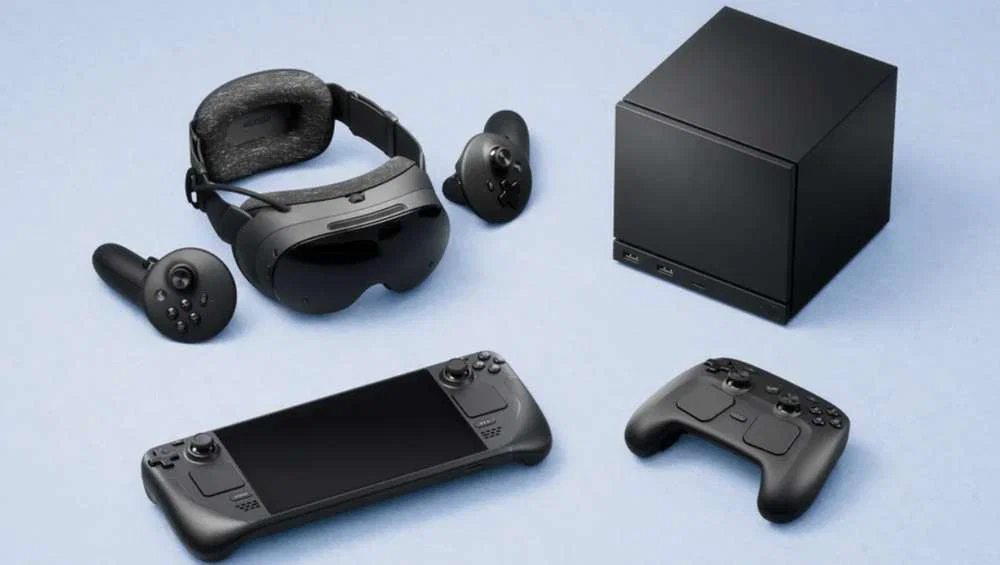
Pierre-Loup Griffais, who helped build both SteamOS and the Steam Deck, said Valve actually started bringing in developers focused on Linux and Arm translation tech way back in 2016 and 2017. There wasn’t a particular device planned yet, but the team already knew Arm’s power efficiency would matter if they wanted future hardware to hit the right price and battery performance.
Valve realized early on that the work would take time. The company estimated that a production-ready translation layer would need nearly a decade of development. As part of that effort, Valve has funded lead Fex developer Ryan Houdek so he could dedicate himself to the project full-time, despite not being on Valve’s payroll as an employee.
Valve says it isn’t working on additional ARM-based hardware at the moment, but confirmed that outside manufacturers have shown interest in licensing SteamOS. That interest could pave the way for third-party devices capable of using Fex for game compatibility.
Qualcomm is expected to push for native Arm Windows development in 2026, but Griffais said Valve views manual game porting as a “waste of time.” Instead, the company sees a strong translation layer, such as Fex, as a more effective path.
The exchange isn’t one-sided. Valve has a variation of its Proton layer, known for running Windows titles on the Steam Deck, that can already execute Android apps on SteamOS. It’s meant to streamline the process of porting Android XR and Meta Quest content to the Steam Frame while also providing a path for mobile-native games to enter the Steam ecosystem.
The most impactful opportunity may be on mobile platforms. GameHub, an Android interface, already relies on Fex to run PC games on tablets and phones. With Valve’s continued support, this early experiment could expand into a wider reality, particularly as regulatory pressures increase for Apple and Google.
The EU’s Digital Markets Act has required Apple to support sideloading and third-party app stores on iOS devices in the region, despite continued challenges from both Apple and the U.S. government. Epic Games is preparing its own iOS store in response. Meanwhile, as Google looks to limit sideloading on Android, policymakers in multiple countries are working on legislation to prevent those restrictions.
If regulators win this fight, we might end up with Steam running natively on iPhones or Samsung phones. And with Fex in the mix, your smartphone could basically turn into a Steam handheld, playing a good chunk of the library locally, no streaming needed.
Valve didn’t spend nearly a decade backing Fex just to help a VR headset run PC games. The bigger idea is making Steam work no matter what hardware you’re using. By connecting the huge library of x86 PC games with Arm-based devices, Valve is betting on a future where your hardware isn’t the deciding factor, the ecosystem is. At this point, the divide between PC, mobile, and even embedded devices feels like it’s starting to fade.
Maybe you would like other interesting articles?