
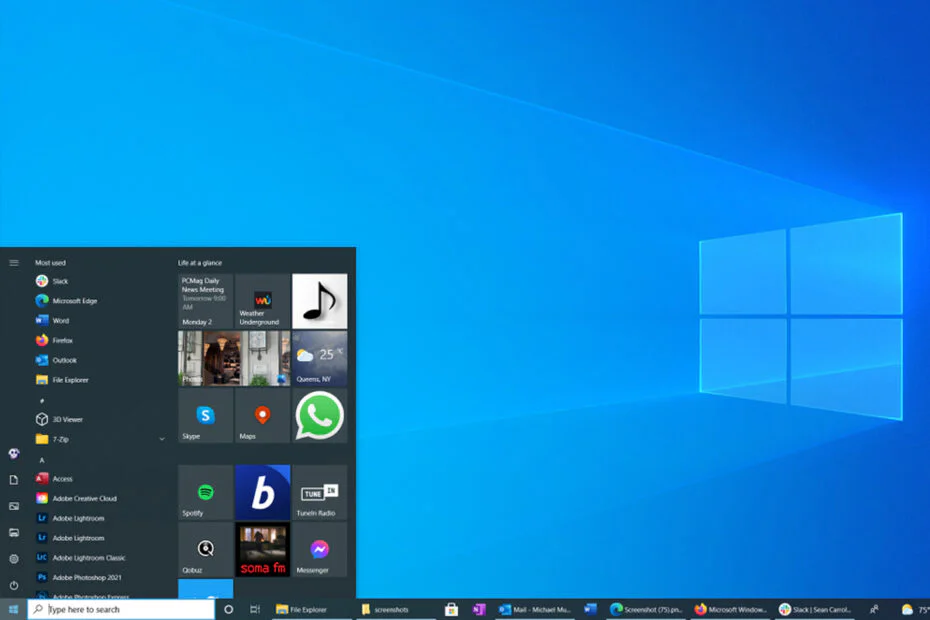
About 17% of Windows client devices continue to run Windows 10, according to new data from Lansweeper. In other words, nearly one in six Windows PCs is still using an operating system that left mainstream support last October.
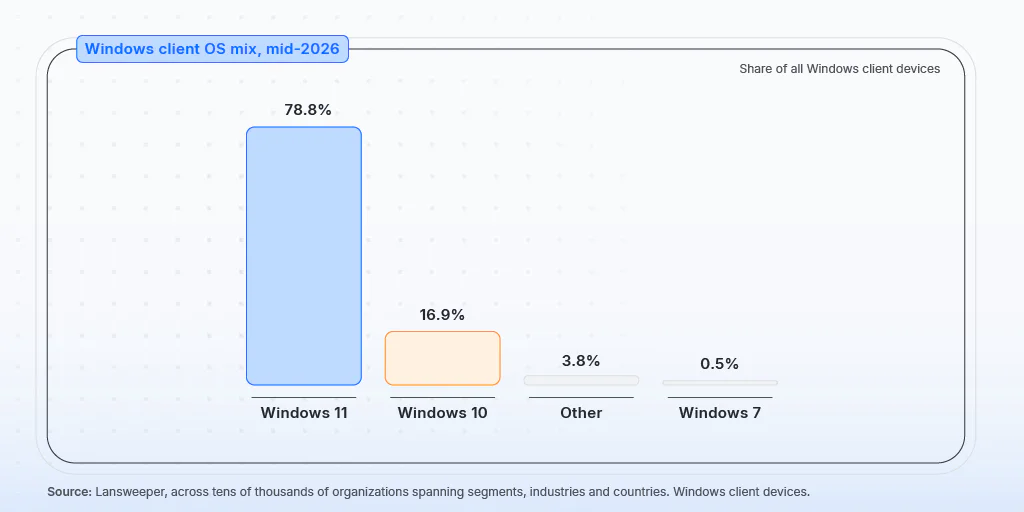
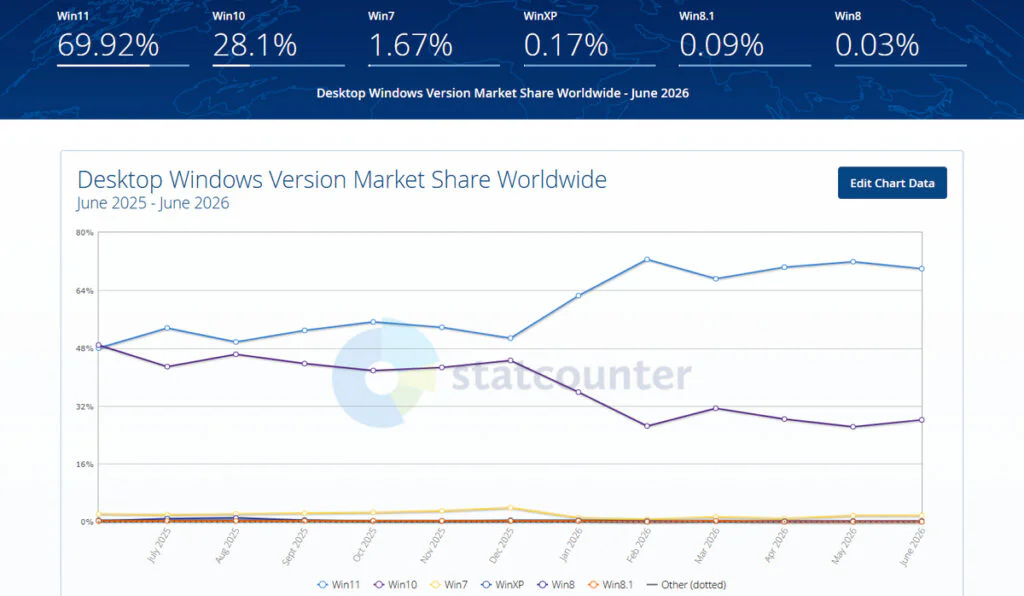
Windows 11 is now installed on 78% of Windows devices, while StatCounter shows it passed the 69% desktop market share mark in June 2026. But plenty of people are still sticking with Windows 10, whether by choice or because upgrading isn’t practical.
Microsoft officially ended support for Windows 10 in October 2025, but eligible devices can continue receiving security updates through the Extended Security Updates (ESU) program until October 2027. For most users, however, that protection comes at a cost. Only users in the European Economic Area can access a free option through October 2026.
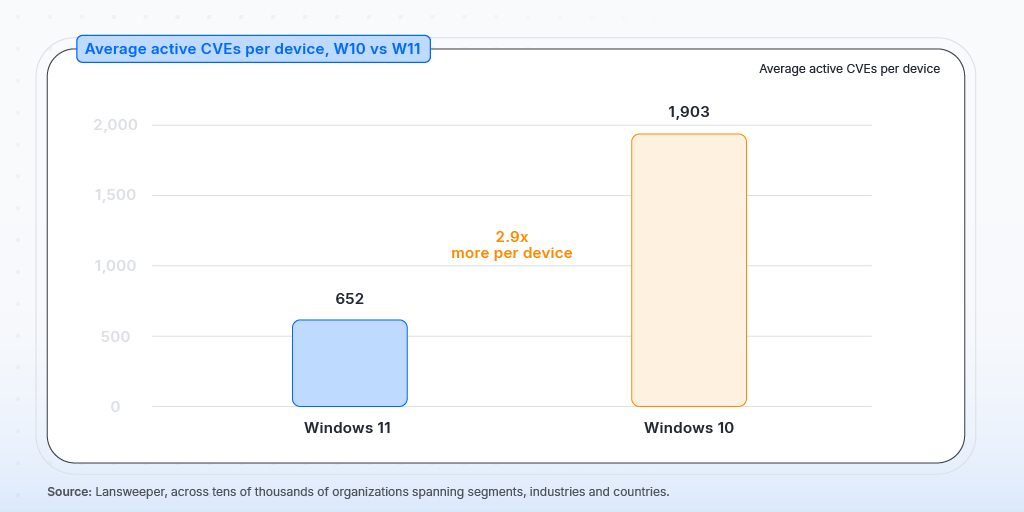
Lansweeper’s findings highlight the security trade-off facing Windows 10 users. The average Windows 10 PC has 1,903 known security vulnerabilities, compared with 652 CVE-listed flaws on the typical Windows 11 system. The quality of those vulnerabilities also differs, with 66% of Windows 10 issues classified as high or critical and more likely to be exploited in real-world attacks.
Every month, Microsoft releases Patch Tuesday updates to fix hundreds of security bugs. But there’s a downside for people still using Windows 10. Lansweeper says the fixes for Windows 11 can reveal vulnerabilities that haven’t been patched on older systems, giving attackers clues about where to strike.
Smaller businesses are taking longer to leave Windows 10 behind. Lansweeper found that 21.4% of Windows devices at small and medium-sized companies still use the older operating system, compared with 16.6% at large organizations. Industries that depend on specialized hardware are trailing the most, with healthcare and pharmaceuticals at 23%, consumer and retail at 22%, and manufacturing at 18%.
Lansweeper advises Windows 10 users to join Microsoft’s ESU program to reduce immediate security exposure. The company also recommends that organizations assess why they are still relying on Windows 10 in 2026 and develop a plan to replace older systems. However, higher hardware prices may make those upgrades more difficult.
Maybe you would like other interesting articles?