
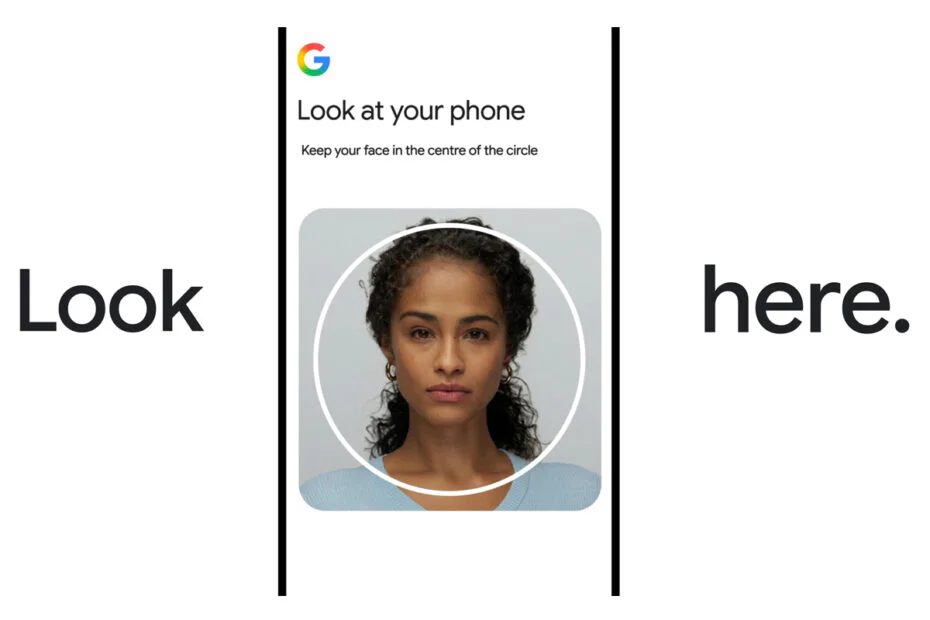
Google has introduced a new account recovery option that allows users to verify their identity with a brief selfie video when passwords or passkeys are unavailable. The system checks the live recording against an encrypted facial template stored on Google’s servers, providing a backup method for regaining access to locked accounts.
Users who qualify for the feature can enable selfie video verification through Security & sign-in > How you sign in to Google > Selfie video after signing into their Google account. Google advises recording the video alone and without sunglasses, masks, or hats. If the setup device doesn’t have a camera, such as a desktop computer, users can scan a QR code to continue the process on a smartphone or another camera-enabled device.
The feature is currently limited to eligible personal Google accounts and is not supported for child accounts, Workspace accounts, or accounts already in recovery. After setup, users can verify their identity on another device with a new selfie video that is checked against the one on file. The recording requires head movement to reduce the risk of photo-based spoofing, and Google says its security systems are also designed to detect deepfake content.
Passwords have been getting a bad reputation for years, and for good reason. Plenty of people still use simple passwords like “12345,” making their accounts much easier to crack. That’s why companies like Google have been pushing passkeys, which use your phone or computer’s PIN or biometrics instead. The new selfie video feature is there for those rare situations when users can’t use their usual device or recovery options.
Regardless of the sign-in method, security experts continue to recommend multi-factor authentication as an added layer of protection. Authentication apps or other non-SMS verification methods are generally preferred because text messages can be intercepted.
Maybe you’d like some other interesting articles?