
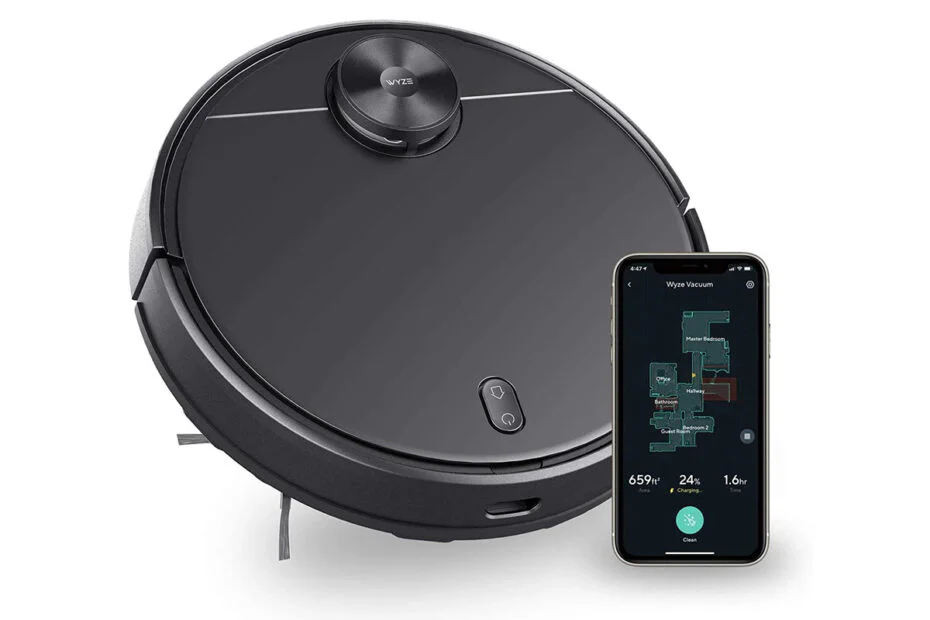
The FCC’s newly introduced restrictions target more than the high-profile humanoid robots making headlines. The policy also applies to robot vacuum cleaners, broadening the scope of the ban on certain foreign-made robotic devices and power inverters.
According to a statement the FCC shared with The Verge, the ban includes newly manufactured robot vacuum cleaners because they meet the agency’s definition of an “advanced robotic device.” The classification covers software-controlled autonomous robots that can sense their surroundings, weigh more than 4.4 pounds with their charging dock, travel on the ground, and support wireless connectivity. As The Verge pointed out, that definition could encompass far more products than the humanoid robots currently attracting attention in Silicon Valley.
The power inverter rules are just as wide-ranging. Based on the FCC’s definition, even a foreign-made portable battery with an AC outlet and a companion app could be covered, which may create challenges for companies like Anker.
Just like the earlier router ban, robot vacuums already being sold in the U.S. aren’t affected. The challenge is for new models, since manufacturers will have to apply for a waiver before bringing them to market. Because most robot vacuums are made overseas, especially by Chinese brands like Dreame and Roborock, the new rules could affect much of the market.
Robot vacuums that create maps of homes and operate autonomously can present legitimate security and privacy concerns. However, because the FCC’s restrictions don’t affect devices already in use, the policy’s immediate impact appears to be increased regulatory requirements for manufacturers rather than a direct response to existing risks.
Maybe you’d like some other interesting articles?