
While the explosive demand for AI data centers continues to strain global memory chip supplies, the laptop market is expected to remain largely insulated from the shock, according to Intel. This outlook counters some analyst predictions of sharp price increases or specification downgrades for upcoming consumer PCs.
In a recent interview, Nish Neelalojanan, Intel’s senior director of product management, stated that original equipment manufacturers (OEMs) have built up a significant inventory buffer. He indicated that laptop manufacturers using Intel platforms have secured enough DRAM components to last between 9 and 12 months.
“If anyone could predict the memory market, they would be rich by now,” Neelalojanan noted, highlighting the sector’s typical volatility. However, he explained that PC makers are not relying on prediction alone. The industry plans years in advance, locking in supply commitments well ahead of product launches. This long-term planning, coupled with the existing stockpiles, is helping shield the laptop segment from immediate disruption and allowing new models to launch on schedule.
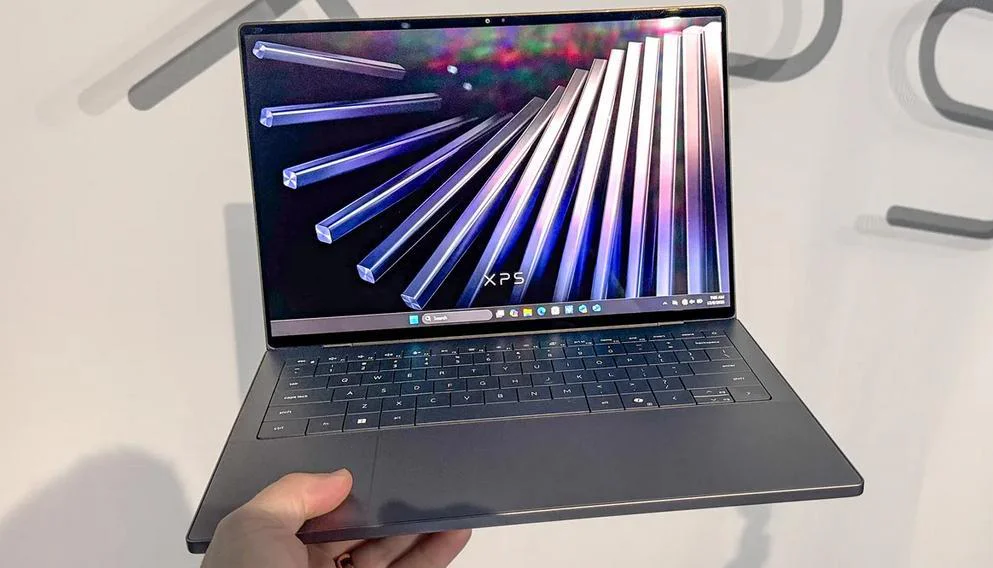
This stability was challenged by the recent release of Dell’s new XPS lineup. While the first models launched earlier this month carried higher starting prices, Dell said they were premium configurations, with more affordable options coming soon.
In addition to inventory buffers, the industry is pursuing architectural changes to offset memory constraints. Intel’s Nish Neelalojanan said the forthcoming Core Ultra Series 3 processors will feature an 18MB shared L3 cache, accessible to both P-cores and E-cores, to improve performance and lessen reliance on tight DRAM supply.
Software optimization is also part of the response. Microsoft is reportedly developing new tools to give software developers more precise insight into how their applications consume RAM. This push for efficiency arrives as the Windows platform itself faces user criticism over reliability and resource management, making the industry’s concerted focus on optimization notably timely.
The AI data center surge driving the memory shortage is also triggering a reassessment of market priorities. Industry watchers see a possible correction by 2026, with greater emphasis on user-facing value, a perspective reinforced by Dell’s comments that AI-specific features are not yet a primary purchase driver for most PC buyers.
For now, however, Intel’s message to laptop consumers is one of near-term stability, secured by nearly a year’s worth of memory chips already in the pipeline.
Maybe you would like other interesting articles?