
Microsoft’s policy of requiring Windows updates has long drawn criticism from users. Although keeping an operating system current is essential for security, many people have complained about updates arriving at inconvenient times. A recent beta release is intended to solve that problem.
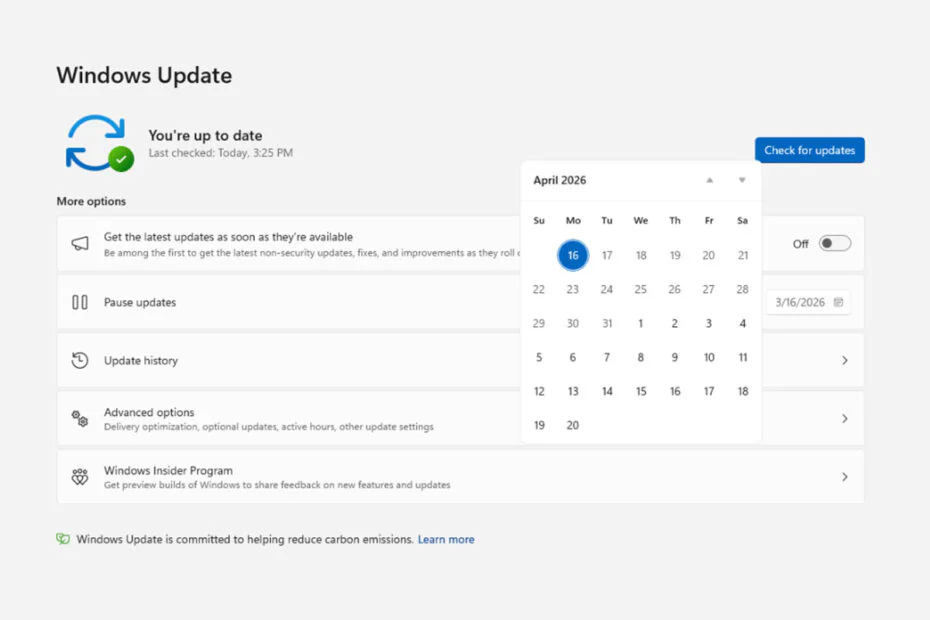
Microsoft’s latest Windows update, now available to Dev Channel and Experimental Channel Insiders, introduces major changes to update controls. Windows Update now includes indefinite deferrals, setup-time update bypass options, and reboot functionality that does not require immediate installation.
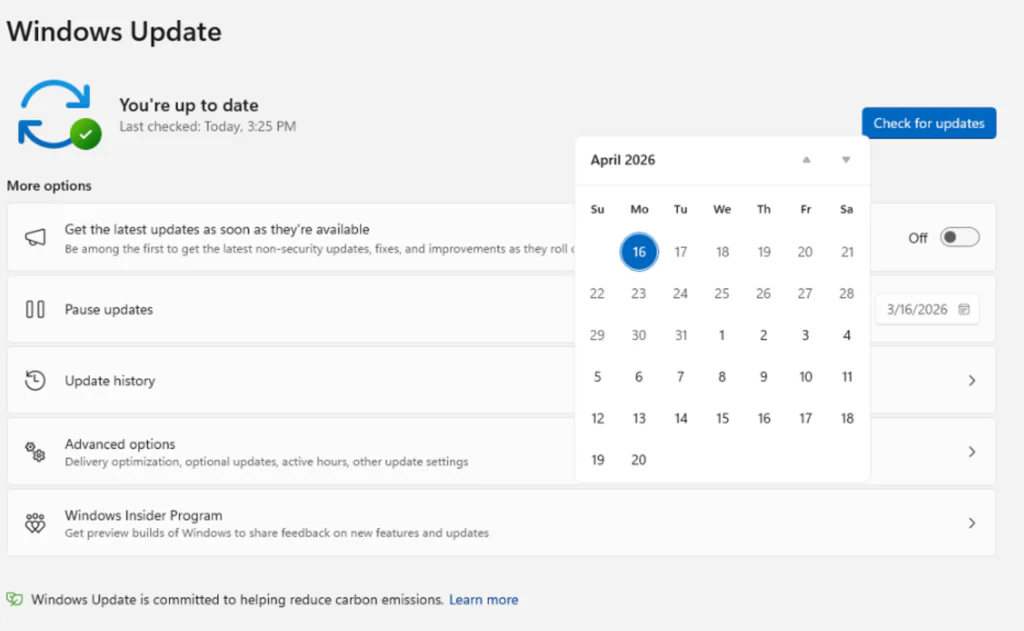
Previously, Windows users were limited to delaying updates by a few days or pausing them for up to five weeks through a dropdown menu. The updated system adds a calendar interface that allows pauses of up to 35 days at a time. After that period ends, users can continue delaying updates in repeated 35-day increments without a strict maximum. Microsoft still expects updates to be installed eventually, but users now have more flexibility over when that happens.
Additionally, users can now skip updates during the out-of-box setup process, allowing them to reach the desktop more quickly when configuring a new device. To further reduce interruptions, driver, .NET, and firmware updates will be combined with monthly quality updates, which means users who stay current may only need to restart once each month.
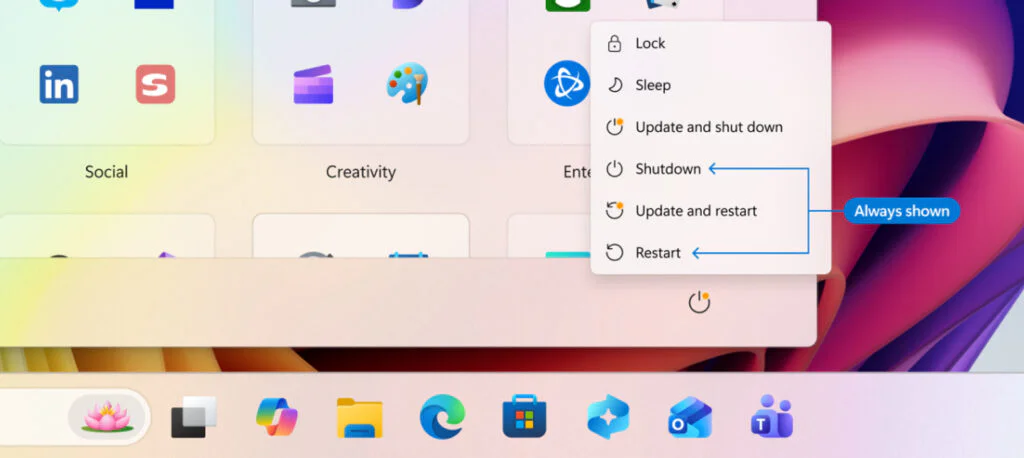
Furthermore, restarting or shutting down a PC will no longer automatically begin installing pending updates. When users open the Start menu power options, they will now see separate choices for a normal shutdown or restart, alongside options that install available updates. Windows will also work to reopen previously closed apps more quickly after a standard reboot.
Recent Windows updates have created a series of problems for both Microsoft and its users. A January release left some systems unable to reboot correctly, prompting the company to issue an out-of-band hotfix. That fix later needed its own emergency patch because of issues affecting certain applications. Separately, another bug sent some users into recovery loops. Last month, Microsoft also halted the rollout of a different update after it was installed improperly on multiple systems.
In another change that may frustrate some users, eligible Windows 11 devices will be automatically upgraded to version 25H2 later this year. Microsoft is reportedly using machine learning models to determine which 24H2 systems are ready and when the required update will be delivered.
Maybe you would like other interesting articles?