
Driven by record profits from the artificial intelligence boom, South Korean chipmaker SK Hynix is reportedly set to award huge performance bonuses to employees, averaging about 700 million won (roughly $477,000) each. With demand for AI chips expected to remain strong through 2027 and beyond, those payouts could rise to around $900,000 next year.
After eliminating its previous bonus cap last September, SK Hynix is expected to allocate 10 percent of its annual operating profit to employee performance bonuses this year. Analysts forecast operating profit of about 250 trillion won ($169 billion) as memory prices remain high, which would place the bonus pool near 25 trillion won ($16.9 billion), according to Korea JoongAng Daily.
The money is reportedly expected to be distributed among approximately 35,000 employees, with an average payout of $477,000 per worker. This would be in addition to the 140 million won (about $95,000) in profit-sharing bonuses already paid to employees on average earlier this year.
If profits continue to rise, each SK Hynix employee could receive nearly $900,000 in performance-based bonuses next year.
SK Hynix’s reported bonus plans are creating pressure at Samsung, another major South Korean chipmaker. According to reports, Samsung’s employee union is asking for bonuses equal to 15 percent of operating profit this year, while management is offering 10 percent, the same level as SK Hynix’s plan.
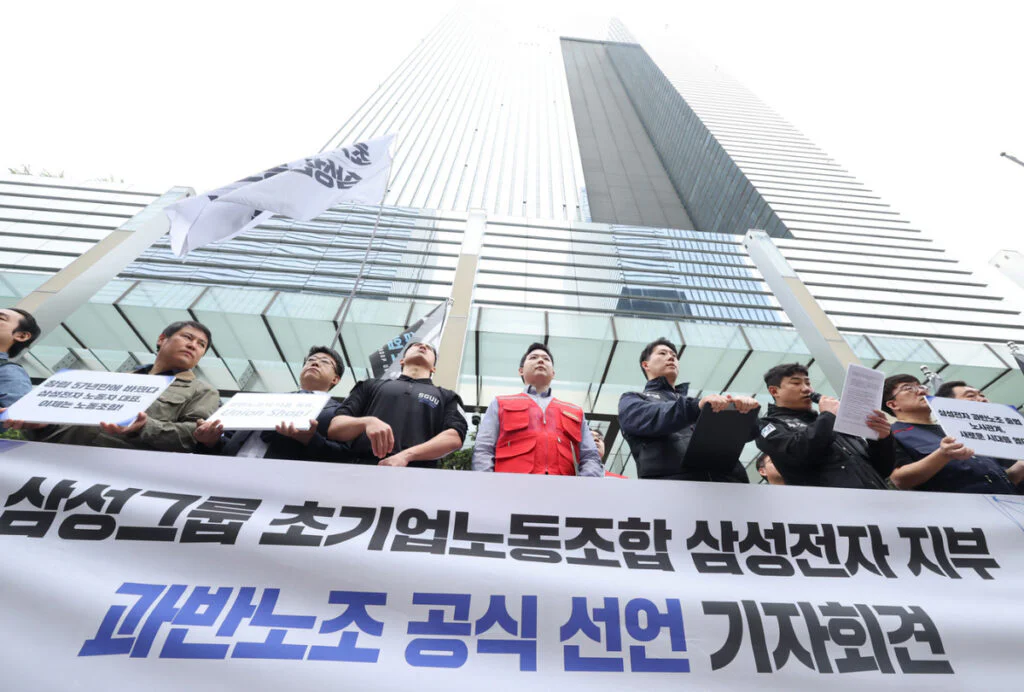
If the union’s request is accepted, the company’s workforce of about 77,000 employees would receive a combined 29.8 trillion won ($20.2 billion) in bonuses. The average payout would be around 580 million won (about $396,000) per employee.
The bonus payout plans are facing considerable criticism online, with some South Koreans saying the money should be distributed to the public instead. Comments on social media and forums argue that the windfall profits were supported by government assistance and should therefore be shared with citizens.
These comments refer to the 20 trillion won ($13.6 billion) in low-interest loans and tax credits the companies received from the government and state-run banks in 2024.
A commenter on the South Korean workplace forum Blind said SK Hynix likely would not have survived without taxpayer support and argued that the company should share its profits in return. Another Blind user, claiming to work for the state-run Credit Guarantee Foundation, suggested the bonuses be paid in local currency vouchers to support domestic consumption.
Maybe you would like other interesting articles?