
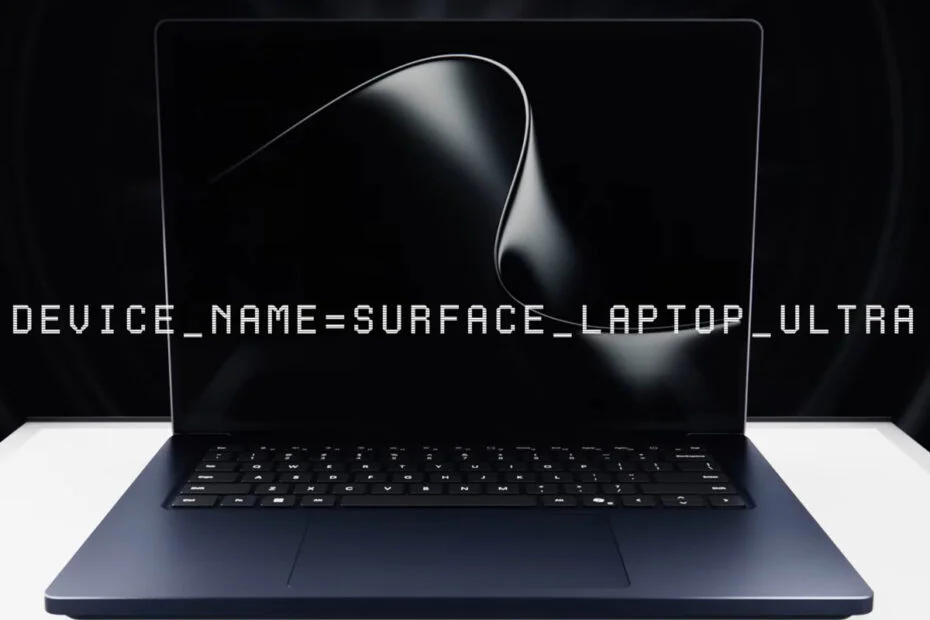
Microsoft is making another push to attract power users with a high-performance laptop that moves away from the more experimental ideas seen in earlier models. The new 15-inch Surface Laptop Ultra runs on NVIDIA’s RTX Spark chip, combining strong graphics performance and AI features in a design that leans closer to a traditional MacBook Pro-style laptop.
Microsoft’s previous attempts at high-performance Surface laptops have seen uneven results. The original Surface Book introduced an eye-catching design but was heavy and relied on hardware that quickly felt dated. The Surface Laptop Studio improved over time, though its higher price became harder to ignore.
The Surface Laptop Ultra is powered by NVIDIA’s RTX Spark, a system-on-a-chip built to compete with offerings from AMD and Qualcomm. The chip combines 6,144 Blackwell GPU cores with 20 Arm CPU cores. NVIDIA says it can deliver up to 1 petaflop of AI performance across its GPU, CPU, and NPU, while offering graphics performance in line with an RTX 5070 laptop GPU and operating within a power range from single digits to 80 watts.
“This is the most powerful thing we’ve ever made,” Andrew Hill, Microsoft’s Corporate VP of Surface, told reporters during a briefing.
Externally, the Surface Laptop Ultra adopts the look of a professional workstation. The 15-inch MiniLED Ultra panel is rated for up to 2,000 nits of peak HDR brightness, while Microsoft claims the device features its largest laptop trackpad to date. Connectivity covers key standards, including USB-A, USB-C, HDMI, and a full-size card reader. With a weight below 4.5 pounds and a muted black-and-silver finish, the system is clearly positioned against the MacBook Pro.
In the launch announcement, Microsoft CVP Brett Ostrum framed the Surface Laptop Ultra as a system designed for demanding creative and professional work, describing it as a machine for “world makers.”
Anyone interested in picking one up will need some patience. Microsoft says the Surface Laptop Ultra is coming this fall, but there’s still no word on pricing. Hopefully, memory prices calm down a bit before then.
Maybe you would like other interesting articles?