
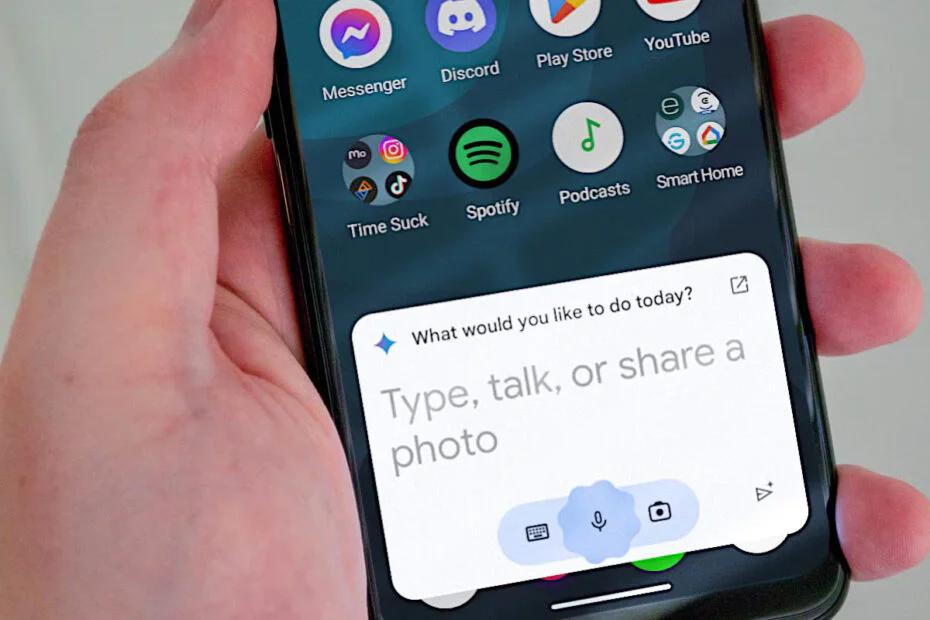
European Union regulators have ordered Google to change the way Android integrates artificial intelligence, requiring the company to give rival AI services greater access to the operating system and search data.
The European Union ruled on Thursday that Google has to let other AI assistants access Android just like Gemini does. The goal is to make sure Google can’t use Android’s huge user base to give its own AI an advantage over rivals.
This matters because Android is used on about 60% of smartphones in the EU. For AI companies, those phones are the best way to make chatbots part of people’s daily routines. The more access an assistant has to your device and apps, the more helpful it can be, which is exactly what regulators want to make available to more companies.
According to regulators, Google must provide competing AI assistants with the same capabilities available to Gemini. This includes voice controls, access to system search, and the ability to interact with other apps for tasks such as requesting a ride, replying to text messages, or finding information about recently visited places. The deadline for the changes is next July.
The new rules aren’t just about Android. Starting in January, Google will also have to share anonymous search data with other companies, including chatbot developers, so they can build AI tools without revealing personal user information.
Google has yet to confirm whether it will challenge the decision in court. The company has instead warned that the EU’s requirements may bring new risks.
Google believes the new requirements could come at a cost. In a statement, General Counsel Kent Walker said the decisions “risk undermining vital privacy and security safeguards for millions of Europeans.” The company argues that expanding third-party access to smartphone and search data could reduce the protections built into its services.
EU officials don’t see the issue the same way. They’ve spent years keeping a close eye on big tech companies, and now they believe AI is becoming the next major way people access digital services. Their concern is that if only a few companies control the AI assistants on phones and computers, everyone else will struggle to catch up.
The ruling is based on the Digital Markets Act, an EU competition law that targets major gatekeeper platforms such as Google and Apple. Under the law, those companies must make their products more interoperable, allowing developers to offer AI assistants that can compete with built-in services like Gemini and Siri.
The new rules have already led to disagreements. In June, Apple said it wouldn’t launch its latest Siri AI features in the EU because it couldn’t reach a deal with regulators. That means iPhone users there will have to wait longer than users in other regions.
Maybe you’d like some other interesting articles?