
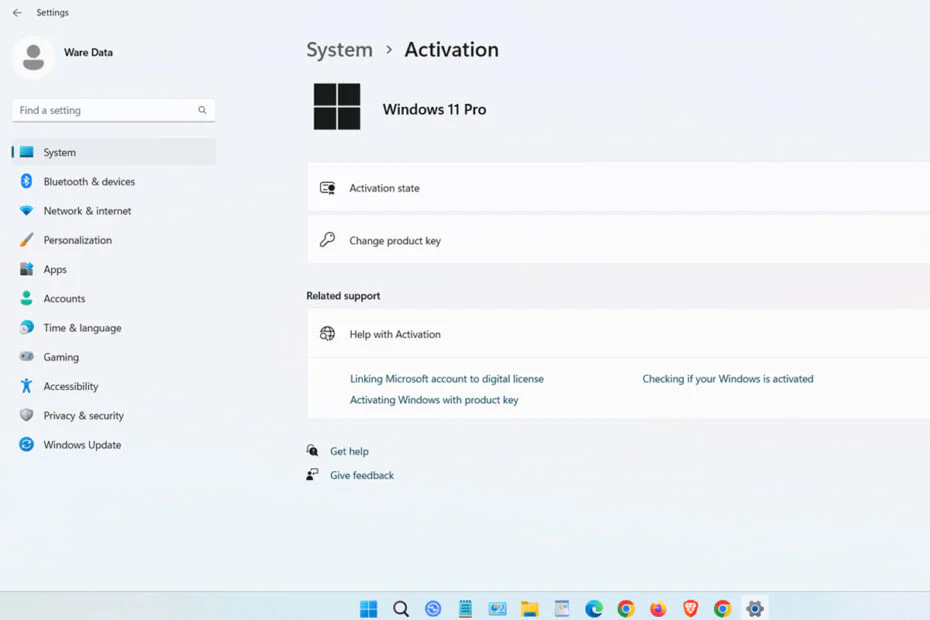
Microsoft is modernizing Windows volume activation for enterprise customers by integrating TPM more deeply into the licensing process. Besides improving security, the new approach targets a long-standing activation bypass commonly used by pirated Windows copies.
After requiring TPM on new Windows 11 PCs, Microsoft is now integrating the security chip into Key Management Service (KMS), which organizations use to activate large numbers of Windows devices. The update introduces hardware-based verification to ensure KMS servers are legitimate and untampered.
KMS has long been a target for abuse, with attackers using spoofed activation servers to activate unlicensed copies of Windows. Under Microsoft’s TPM-based attestation system, a KMS host must first prove its identity and integrity through cryptographic checks before it is allowed to handle activation requests from client devices.
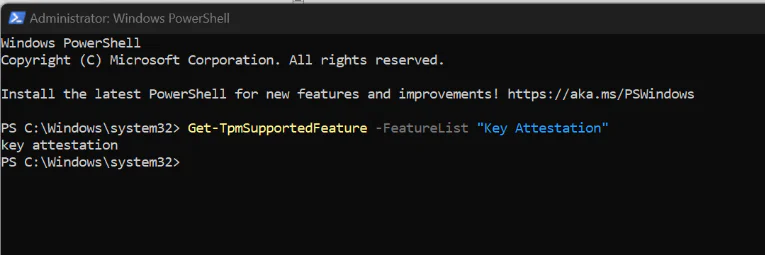
TPM-backed attestation will become a mandatory part of KMS activation in the next Windows Server release. Beginning in August 2026, Windows Server 2025 will display readiness messages so organizations can review their KMS environment and prepare for the new hardware-based security requirement.
According to Microsoft, trusted activation infrastructure will play a larger role as Windows security continues to advance. The company says KMS Hardware Secured is meant to help organizations prepare for future security changes while reinforcing its focus on hardware-rooted trust.
The new requirement could affect tools that rely on KMS emulation to activate unauthorized copies of Windows. Although Microsoft disabled the KMS38 workaround in 2025, KMS spoofing continued to operate. Massgrave’s Online KMS method, for example, maintains activation by periodically contacting a spoofed KMS server. TPM-based attestation may prevent that technique from working once it becomes mandatory, but its effectiveness has yet to be confirmed. The group has also released TSforge Activation, which it says takes a different approach to bypassing Microsoft’s software protection system.
Maybe you’d like some other interesting articles?