
Samsung Electronics has announced plans to expand satellite connectivity on its Galaxy smartphones, partnering with major telecom operators across North America, Europe, and Japan to roll out the feature more widely.
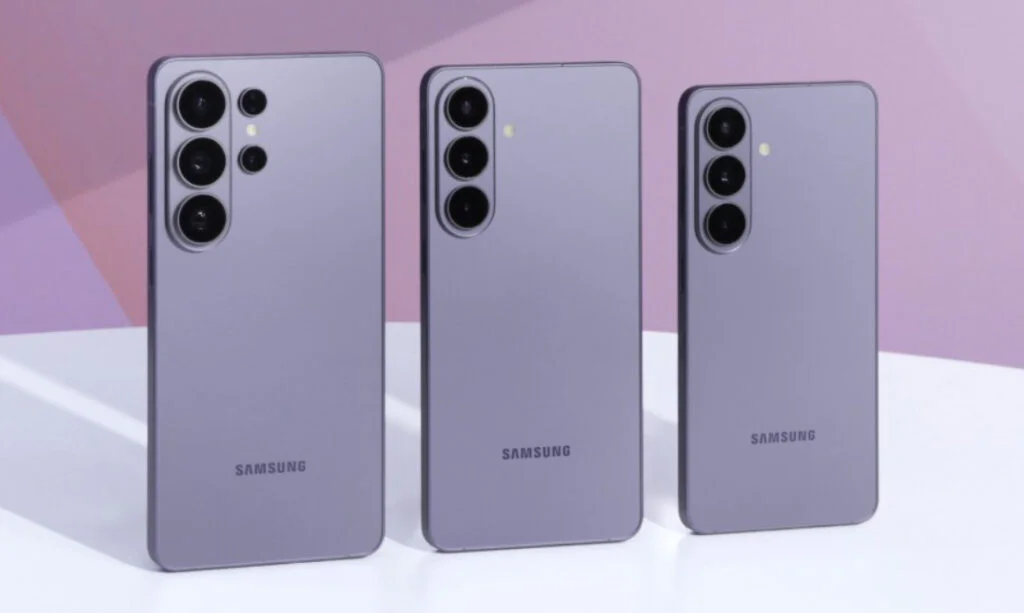
The program, including support for the Galaxy S26 series, is intended to keep essential communication tools available when standard mobile networks fail. It reflects Samsung’s ongoing focus on user safety and more dependable connectivity as mobile AI becomes more central.
“Samsung has a rich legacy in wireless communication technologies, and we strive to be at the forefront of innovation in this space through open collaboration with global partners,” said Won-Joon Choi, President, Chief Operating Officer (COO) and Head of the R&D Office, Mobile eXperience (MX) Business at Samsung Electronics. “As satellite connectivity becomes an important part of the mobile landscape, we are committed to ensuring Galaxy users have reliable access to communication, especially when they need it most.”
Satellite connectivity is increasingly viewed as a key element of next-generation network infrastructure. As AI-powered services become more integrated into everyday life, the demand for stable, always-on connections continues to rise. Satellite links are intended to keep emergency services and essential messaging operational when ground-based networks fail, offering a lifeline in remote regions or during natural disasters.
Samsung introduced satellite support on selected flagship and Galaxy A series devices in 2025. It is now expanding compatibility to additional models and improving the infrastructure to provide a dependable user experience.
The rollout of these features will occur in phases, depending on regional network availability and regulatory approvals. Samsung is working closely with network operators and satellite providers globally to bring these services to users.
Regional Rollouts and Carrier Partnerships
The expanded satellite services vary by region and carrier, offering a mix of emergency SOS (eSOS), two-way texting, and even basic data services.
North America
- United States: Samsung has collaborated with T-Satellite with Starlink by T-Mobile since 2025 to provide T911 emergency services, as well as text and data services. This support is available on select Galaxy flagship and Galaxy A series models released after the Galaxy S21 series. Meanwhile, Verizon offers eSOS and text services on all Galaxy flagship models following the Galaxy S25 series. Samsung is also actively working with AT&T to bring satellite communication features to Galaxy smartphones.
Europe
- United Kingdom: In collaboration with Virgin Media O2, satellite communication will now be available on select Galaxy smartphones.
- Spain: Joint trials are set to begin in March with MasOrange.
- Samsung is also collaborating with Vodafone to support these features on Galaxy devices.
Japan
- Building on a partnership that began in 2025, KDDI already provides satellite-based text, data functions, and the Earthquake and Tsunami Warning System (ETWS) on Galaxy S22 and later flagship models, as well as select Galaxy A series devices.
- Starting in 2026, new collaborations with SoftBank and docomo will bring satellite features to select Galaxy flagship and A series devices.
- Samsung is also in discussions with Rakuten Mobile to gradually introduce satellite communication support on Galaxy smartphones.
With these partnerships, Samsung wants satellite messaging and data, not just emergency SOS, to become something that everyday users can rely on around the world.
Maybe you would like other interesting articles?