
The European Parliament’s Committee on Economic and Monetary Affairs has voted 43 to 14 in favor of establishing a digital euro. The initiative aims to provide secure and efficient digital payments across the eurozone and reduce reliance on major US payment providers such as Visa and Mastercard.
The digital euro is expected to support both online and offline payments throughout the eurozone. Online transactions will be processed through an account-based system, while offline payments will function similarly to cash, allowing funds to be transferred directly between devices such as smartphones without an internet connection.
According to the European Union, the digital euro will rely on encryption and privacy-focused technologies, including zero-knowledge proofs, to validate transactions without disclosing personal data to merchants, the European Central Bank, or public authorities. The system is designed to confirm payments while protecting the payer’s identity and transaction information.
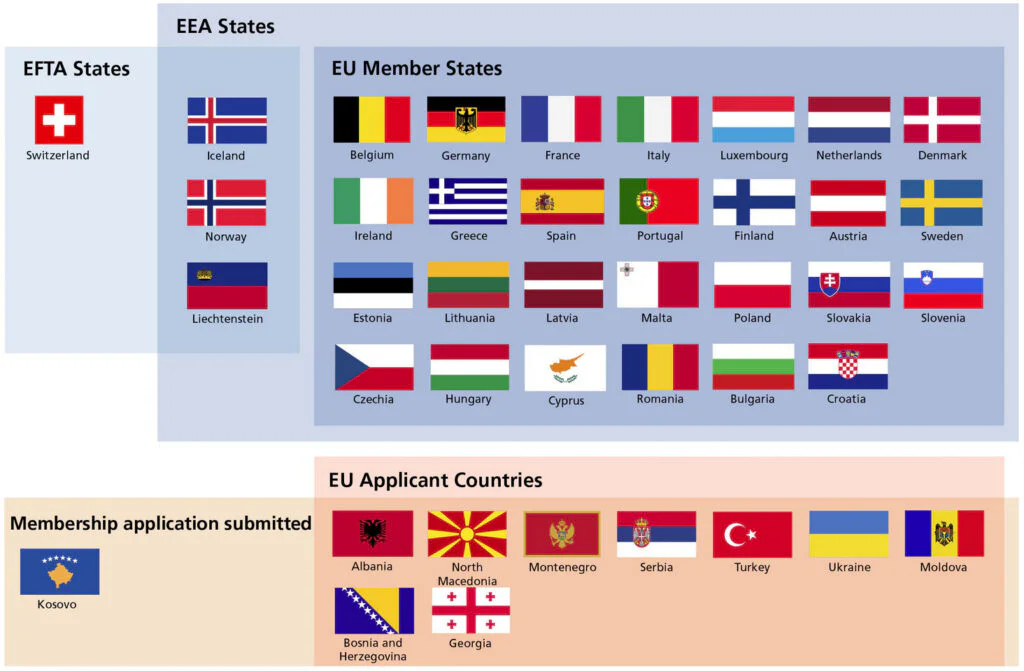
All businesses in the EU would be required to accept the digital euro, regardless of their size. An exception would be made for micro-enterprises that do not already support digital payment options. Tourists and other non-eurozone visitors would also be able to use the digital currency while travelling in Europe.
Consumers will be able to use the digital euro at no cost under the current proposal. Merchants, meanwhile, will pay a transaction fee to the European Central Bank, with those charges expected to be lower than the fees typically imposed by Visa and Mastercard. Banks and other financial institutions involved in running the system will receive compensation, although the final structure has not yet been determined.
The proposal is scheduled for a final vote before the full European Parliament in Strasbourg next month. If approved, the European Central Bank will begin talks with the EU’s 27 member states, with policymakers hoping to secure broad agreement before year’s end.
Maybe you’d like some other interesting articles?